

Choosing the right time to hike the Inca Trail can completely transform your experience. It’s not just about rain or sun: the weather, the number of tourists, and the trail conditions all influence how much you enjoy every step. In this blog, we’ll tell you everything you need to know to make the best decision regarding the best time inca trail.
We’ll also give you practical tips and little-known facts to make your adventure safer and more comfortable. Keep reading to discover when the Inca Trail is truly worthwhile.
Understanding the best time inca trail can greatly enhance your adventure and ensure a memorable experience.
Finding the Best Time Inca Trail for Your Adventure
Why is it important to choose the right time to hike the Inca Trail?
Choosing the right time to hike the Inca Trail is not a minor detail; it directly influences how you experience it and the safety of the trek .
The weather affects the condition of the trails : during the rainy season, sections can be slippery or muddy, while during the dry season the paths are usually firmer and safer to walk on. This also impacts daily hikes , as a trail in poor condition can make progress slower and more tiring, affecting the traveler’s energy.
Furthermore, the weather influences the overall trekking experience . Sunny, dry days allow you to better enjoy the scenery and archaeological sites, while rain or fog can limit visibility and cause discomfort if you are not prepared.
Finally, safety along the route depends on the weather. Wet or steep paths are riskier and require greater attention and caution. Therefore, planning your visit according to the season helps reduce risks and ensure a memorable and trouble-free experience.
Choosing the right time of year allows you to enjoy it more, walk comfortably, and stay safe throughout the entire journey.
Seasons of the year on the Inca Trail
The Inca Trail can be hiked almost year-round, but the experience varies considerably depending on the season. Generally speaking, there are two main seasons : the dry season and the rainy season . The difference between the two is primarily due to the weather, the number of visitors, and the level of planning required by travelers.
Knowing these seasons helps you choose the best time to go , depending on what each person expects from the trek .
Dry season: May to September
During these months, the weather is more stable and predictable. The days are usually sunny, with pleasant temperatures during the hike, while the nights can be cold, especially in the campsites.
One of the great advantages of this season is the low probability of rain , which means the trails are in better condition and the trekking is more comfortable and safer. Walking with less mud and moisture allows for greater confidence, especially on the rocky sections of the path.
For these reasons, it’s the most popular time to hike the Inca Trail. Most travelers choose these months seeking a more stable and predictable experience, ideal both for first-time trekkers and those who want to enjoy the trek without weather-related setbacks .
However, travelers should keep in mind that high demand implies:
- More people on the route.
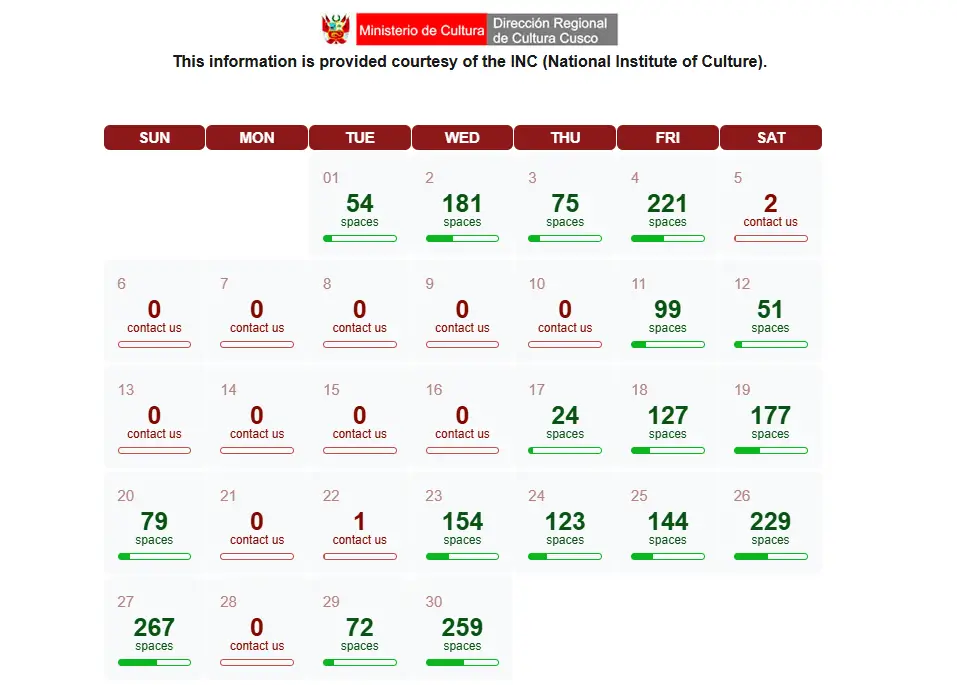
- Permits that run out quickly.
- You need to book several months in advance .
Overall, this season is ideal for those who prioritize safety, comfort, and a more controlled climate.
Rainy season: November to March
During these months, the weather changes noticeably. Rainfall is more frequent, especially in the afternoons and evenings, and humidity is higher throughout the route. It doesn’t usually rain all day, but downpours can be intense at times.
The rain makes some sections of the path slippery and muddy, requiring extra caution while walking. Additionally, the days may be cloudier, affecting visibility in certain areas.
However, this season also has real advantages . There are fewer travelers, the atmosphere feels quieter, and in many cases, it’s easier to find available bookings. For some people, this lower volume enhances the experience.
The main disadvantages are related to:
- Greater physical exertion due to the wet terrain.
- Need for good waterproof equipment.
- Possible changes in the pace of trekking .
This time of year might work for experienced travelers who are comfortable with rain, prefer less crowded routes, and are flexible with weather conditions. Being well-prepared and having realistic expectations about the hike are key.
Inca Trail closing month: February
The Inca Trail closes every year in February . This closure is neither accidental nor optional, and is primarily for safety and conservation reasons .
rainiest month in the region, increasing the risk of landslides, damaging roads, and making some sections more dangerous. Taking advantage of this period, authorities carry out maintenance work , such as repairing the cobblestones, cleaning drainage systems, restoring walls, and protecting archaeological sites along the road.
If you’re traveling to Cusco in February and can’t do the Inca Trail, there are alternative options . You can visit Machu Picchu by train from the Sacred Valley or consider other trekking routes that are available this month, always taking into account weather conditions and your experience level. This way, the trip isn’t lost, just adapted.
What is the best month to hike the Inca Trail?
There’s no single perfect month for everyone, but there are periods that offer a better balance between weather and visitor numbers . Choosing the right month depends on each traveler’s priorities.
April, May, September, and October are generally considered the most balanced months . The weather is relatively stable, rainfall is less than during the peak rainy season, and the number of tourists is more manageable than in the middle of winter. These are ideal months for those seeking a comfortable experience without heavy traffic.
Between June and August, the highest number of visitors is concentrated. This coincides with holidays in many countries and the peak of the dry season. During this time, you can also arrange tours in Manu to complement your experience in the region. The weather is favorable for hiking, but the Inca Trail feels more crowded, and permits sell out quickly. It’s a good option for those who don’t mind high demand and can plan well in advance.
From November to March, there is more rainfall, especially between December and February. These months are less popular due to the weather, but they can work for flexible, experienced travelers who prefer fewer crowds, keeping in mind that February is unavailable due to the annual holiday.
In short, the best month will be the one that best suits your schedule, your tolerance for the weather, and your travel style. Understanding these differences allows you to make a clear and realistic decision before booking the Inca Trail.
Best time according to your type of trip
Choosing when to hike the Inca Trail depends not only on the weather, but also on your travel style and what you expect from the experience . These factors can help you make a more informed decision based on your individual needs.
If it ‘s your first time traveling , it’s best to go during the months with more stable weather, such as May, June, or September. At these times, the trails are in good condition and the weather is more predictable, reducing unexpected problems and allowing you to focus on enjoying the hike without so many worries.
If you’re looking for fewer crowds , April, October, and November are usually good months. There are fewer visitors than during peak season, making the trip feel more peaceful, which is perfect if you’re also considering a visit to Choquequirao. Trekking as an alternative.
If you prefer more stable weather , the dry season, between May and September, is the best time. Rainfall is scarce and the days are usually clear, making hiking and resting at campsites easier, and you can also take advantage of the opportunity to visit Rainbow Mountain if time allows.
If you’re traveling with limited time , it’s best to choose months with less risk of weather-related delays, such as May or June. This reduces the possibility of last-minute changes and allows you to better adjust flights, hotels, and plan activities like a Humantay Lake tour within your itinerary.
What to consider before choosing the date
Before deciding on the month to do the Inca Trail, it is important to evaluate some personal aspects that directly influence the experience.
Physical fitness is key. Although it’s not an extreme trek , the Inca Trail requires walking several hours a day and tackling uneven terrain. If you don’t train regularly, choosing months with better weather can make a big difference.
Prior trekking experience also matters. People with little experience tend to enjoy the route more during the dry season, while travelers accustomed to mountain hiking can adapt better to months with variable weather.
Travel flexibility is another important point. If your dates are fixed, you’ll have to adapt to the available season. If you have some flexibility, you can look for months with a better balance between weather and tourist numbers.
Finally, there’s the issue of permits . The Inca Trail has limited permits, and these fill up quickly, especially during peak season. Choosing your date in advance and booking early is essential to securing your spot on the trail.
Understanding these points helps in making a practical and realistic decision, avoiding common mistakes when planning the Inca Trail.
Frequently asked questions about the best time to hike the Inca Trail
Can the weather change a lot during the 4 days of the Inca Trail?
Yes. The trail crosses different altitudes and zones, so the weather isn’t the same every day. You can have sunny mornings, cloudy afternoons, and cold nights on the same trek . This variation is normal and part of the experience.
Does the rain usually last all day or only intermittently?
Generally, the rain doesn’t last all day. It most commonly appears in the afternoon or evening, especially during the rainy season. It rarely rains continuously throughout the entire hike.
Is fog common, and in which months does it appear most?
Fog is most common between November and March, when humidity is higher. It usually appears in the mornings or after rain, and normally dissipates as the day progresses.
Is the cold felt more at night or during the hike?
The cold is felt more intensely at night and at dawn, especially in campsites. During the hike, movement and the sun help maintain a more comfortable temperature.
Does rain affect the condition of Inca trails and steps?
Yes, rain can make some sections more slippery and muddy. Therefore, during the rainy season it is important to walk more carefully and wear appropriate footwear for trekking .
Does the visibility at Machu Picchu change depending on the time of year?
It can. During the dry season, there is usually more clarity, while during the rainy season, fog is more common in the early morning. Even so, visibility generally improves as the morning progresses.
Are there more insects at certain times of the year?
Yes. During the wetter months, especially between December and March, insects are more common, particularly in the lower areas along the trail. Their presence is less frequent during the dry season.