

More vestiges of the Inca civilization
The Inca Trail offers travelers the chance to explore fascinating archaeological sites on the way to Machu Picchu. Every section of the trail tells a story of the Inca civilization. On the fourth morning, the sunrise from Inti Punku becomes an unforgettable highlight. It is the same magical entrance the Incas once used to reach Machu Picchu.
Qoriwayrachina
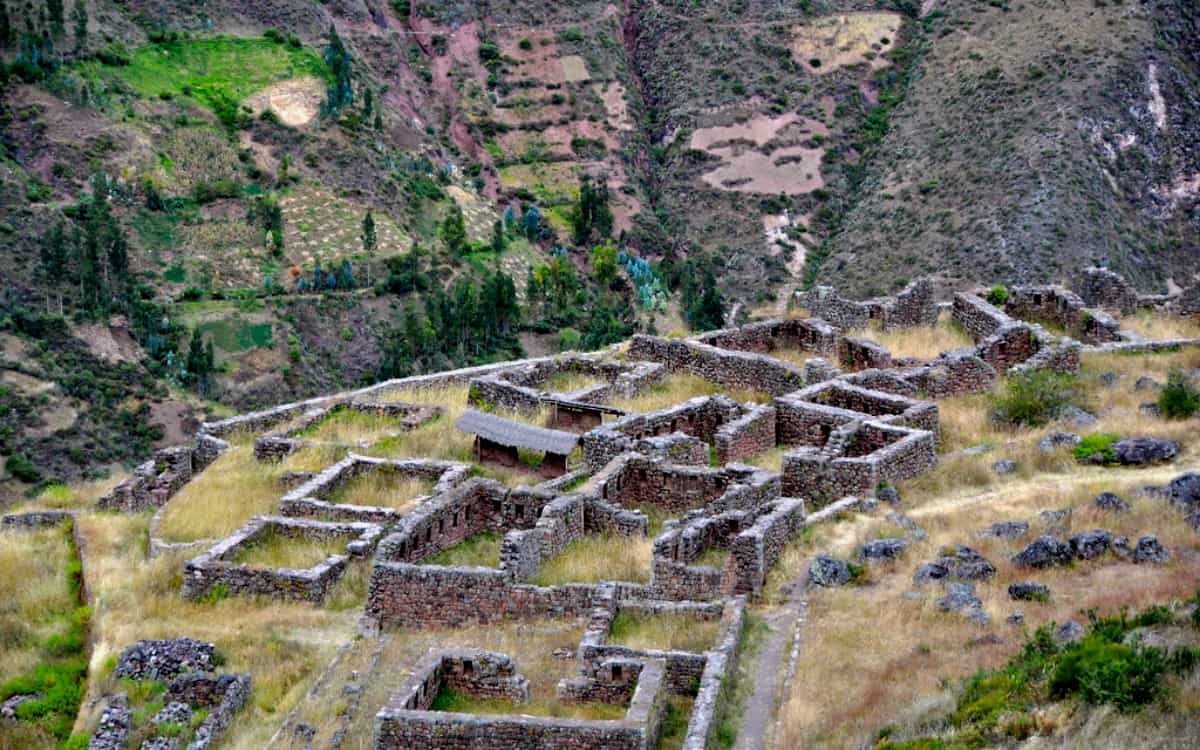
Llactapata
Your next stop is Llactapata, an impressive archaeological site set at 2,800 meters above sea level. It is believed that Llactapata was primarily used for agriculture. Its name, a combination of the Quechua words ‘llacta’ (village) and ‘pata’ (height), reflects its location. Although this site is located below the main trail, not all travelers take the time to visit them.
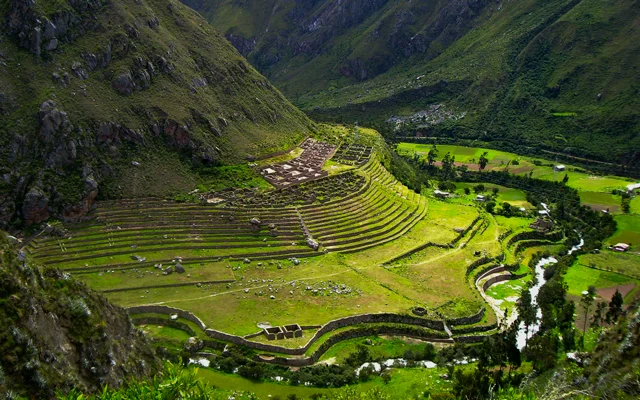
Dead Woman’s Pass
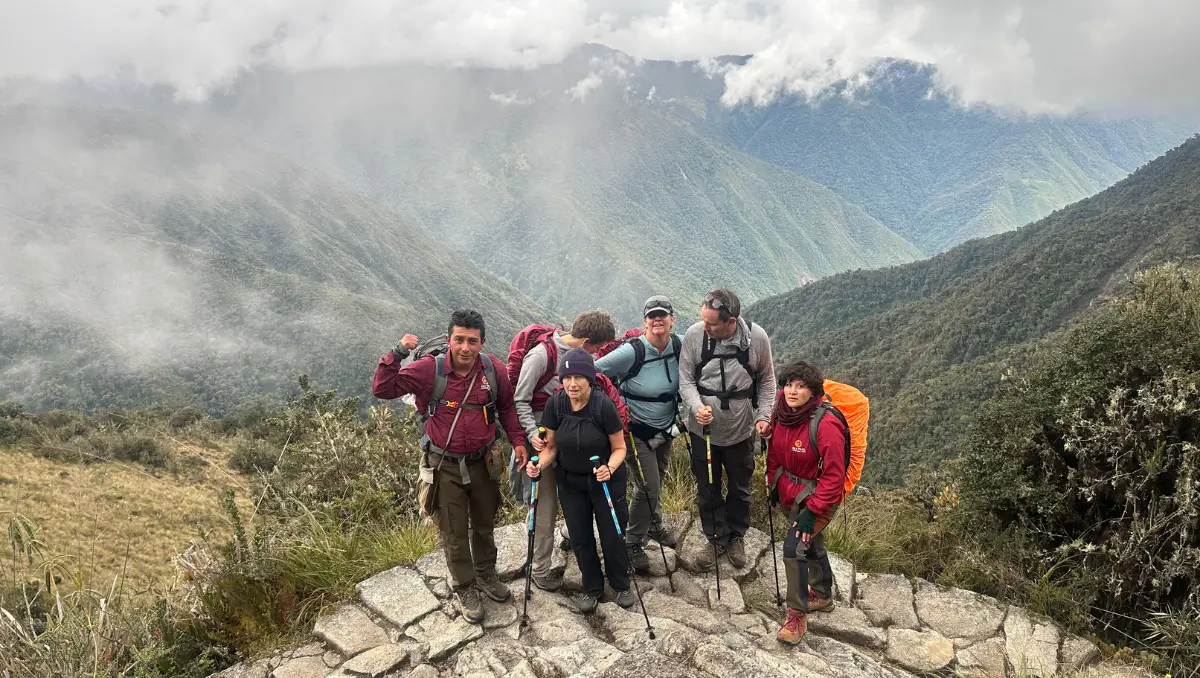
Dead Woman’s Pass, or Warmiwañusca in Quechua, is one of the most iconic landmarks on the Inca Trail. Even though it is not an archaeological site, it is one of the most unforgettable highlights of the trek. At 4,200 meters above sea level, the pass offers one of the most dramatic points of the trek. Its name comes from its resemblance to a reclining woman. Upon reaching its summit, adventurers are treated to breathtaking panoramas of the majestic Salkantay and Veronika mountains. Most tour operators arrange campsites approximately 600 meters below Dead Woman’s Pass, on the opposite side at Pacaymayu.
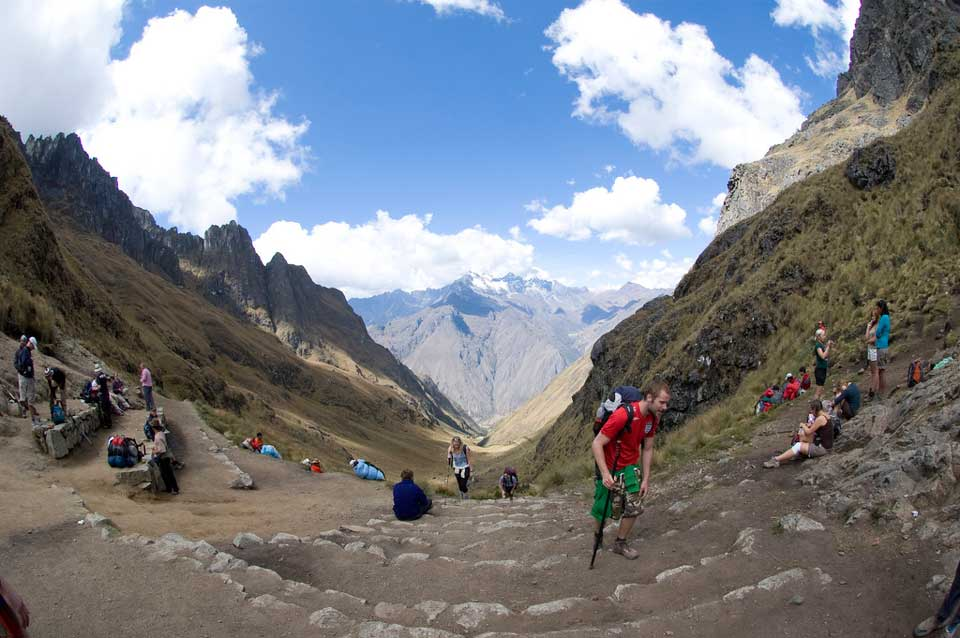
Runkurakay
On day three, after the third pass, hikers reach Runkurakay, one of the most fascinating Inca Trail sites. Its two concentric walls surround chambers and a central courtyard. The inclined structure shows how the Incas built for seismic resistance. Archaeologists believe it functioned as a tambo, where messengers rested before continuing toward Machu Picchu. The site also provided sleeping areas and spaces for pack animals.
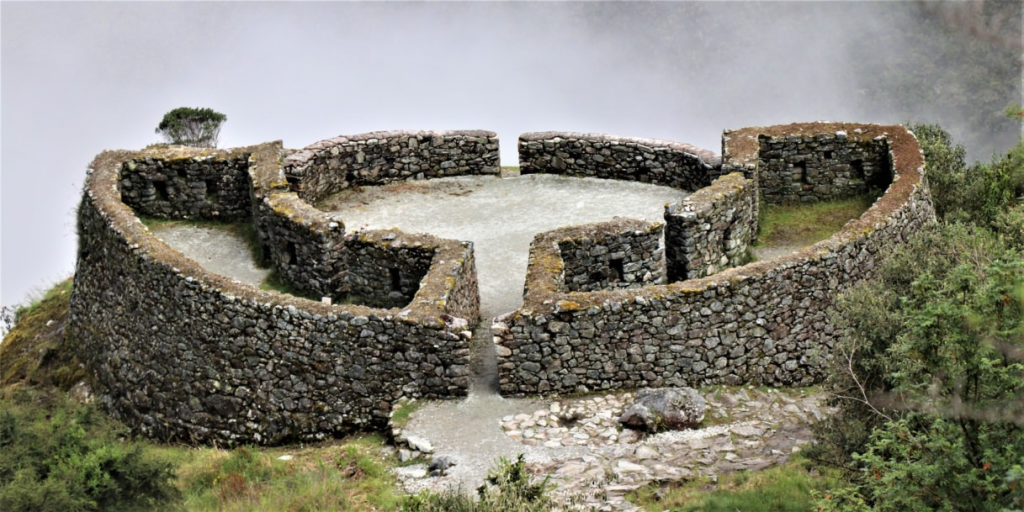
Sayacmarca
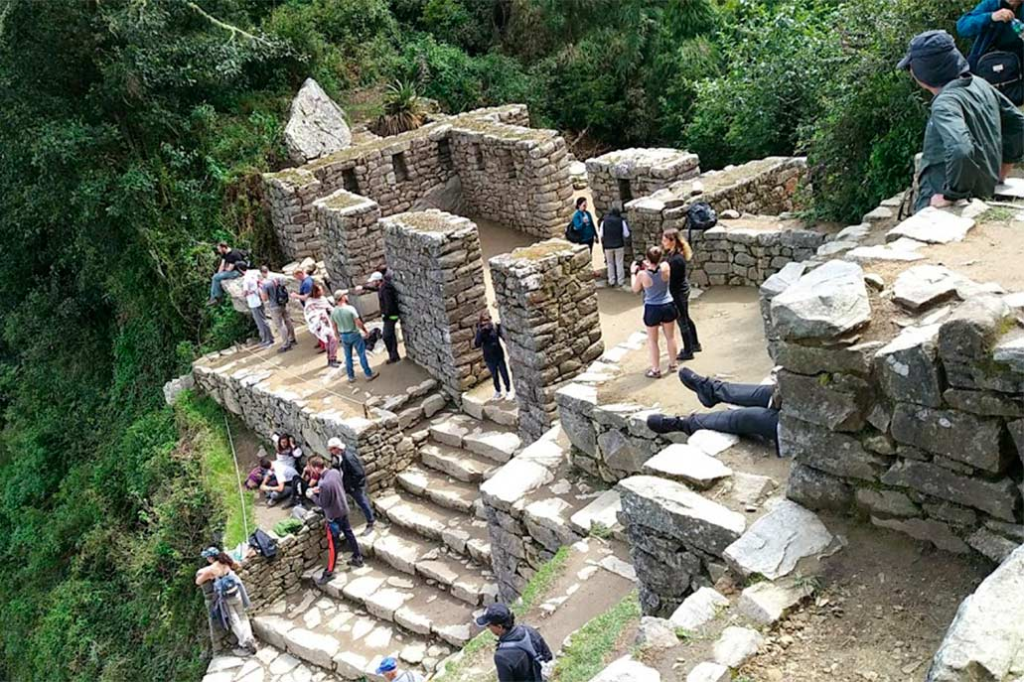
meaning ‘Inaccessible Town’ in Quechua, lives up to its name with steep drops on three sides plunging into the dense jungle below. Accessing the ruins requires ascending 98 vertical stone steps along a mountain edge at an elevation of 3600 meters above sea level, a feat not recommended for the faint-hearted.
Beyond Sayacmarca, the landscape along the Inca Trail undergoes a transformation as adventurers venture into the tropical cloud forest, an integral part of Peru’s Amazon jungle, adorned with vibrant orchids and exotic flora.
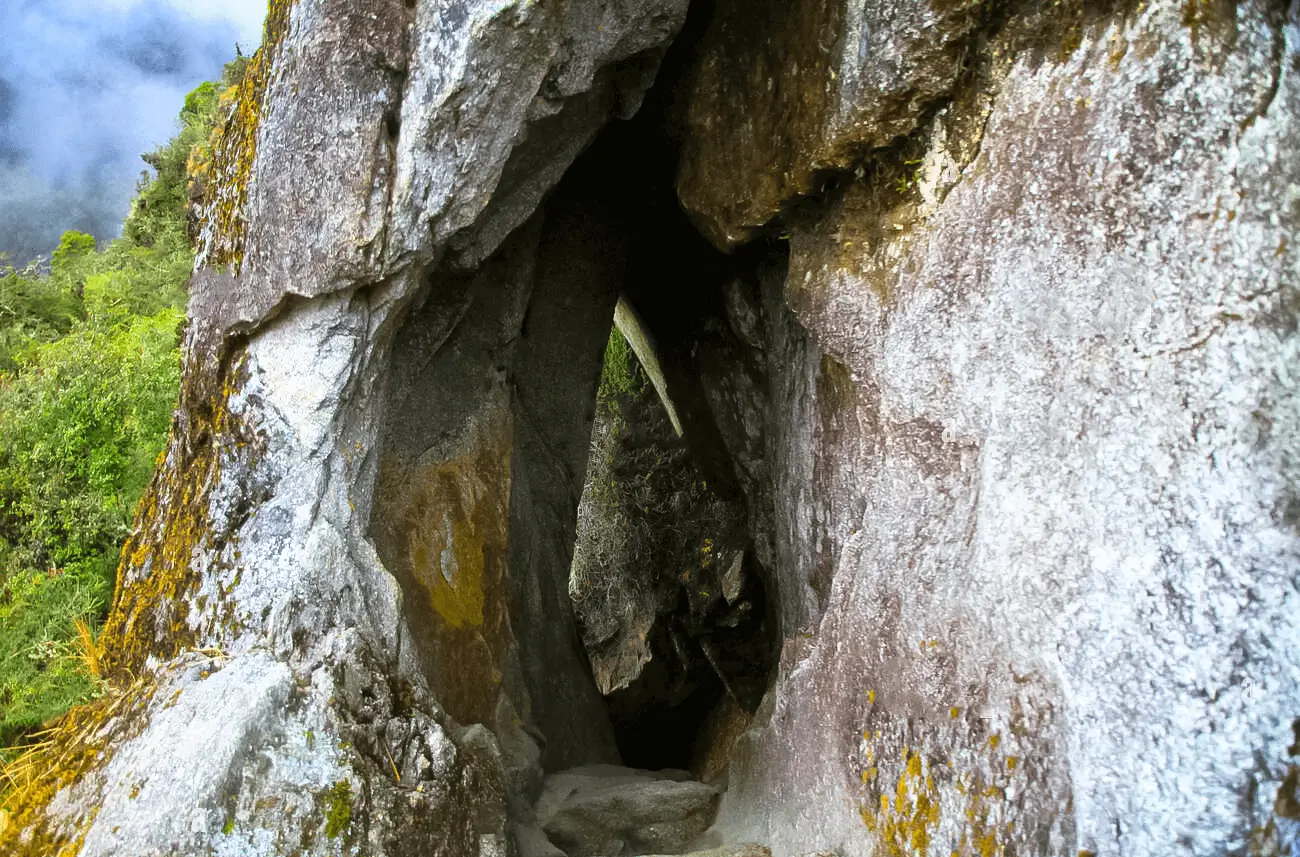
Inca Tunnel
is more of a geographical feature than a conventional ruin. Encountered before the third pass along the trail, it becomes evident why it exists: the solid rock obstructing the path leaves no alternative route. This segment includes a raised causeway over marshy terrain, a meticulously carved tunnel through rock, and notches in the cliff face facilitating ascent. The remarkable aspect lies in the Inca’s ability to craft such structures with rudimentary tools, leaving the method of their construction still shrouded in mystery.
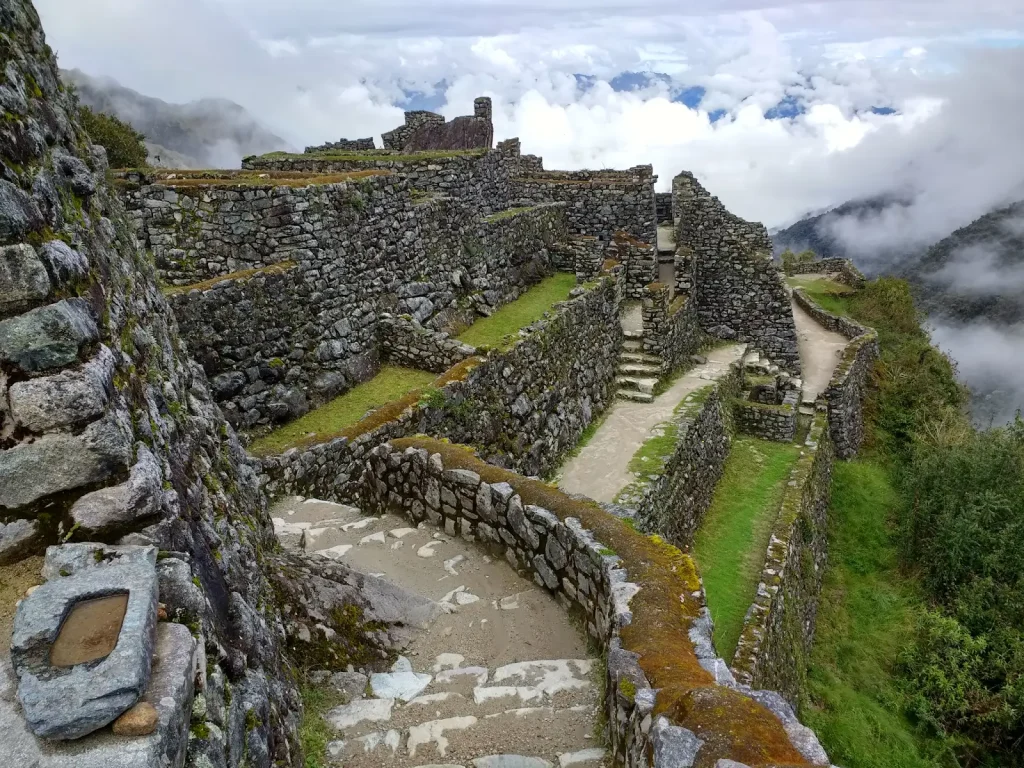
Phuyupatamarka
meaning ‘the cloudy place’ in Quechua, is accessible via a descent down a lengthy staircase. This splendid site comprises six cascading fountains, Andean terraces, and a pair of plazas surrounded by numerous buildings. Archaeologists speculate that Phuyupatamarka once accommodated hundreds of inhabitants simultaneously.
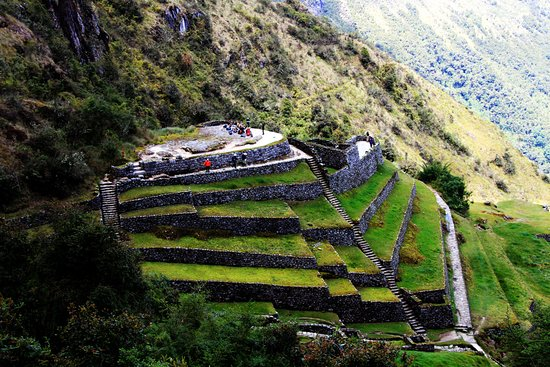
Intipata
A name coined by a recent expedition member, Intipata translates to “Sunny Slope” due to its abundance of terraces and absence of plazas, religious edifices, or fortifications. Situated several hours away from Machu Picchu and off the traditional Inca Trail, it is one of the lesser-known archaeological sites along the Inca Trail. Its strategic location suggests it may have served as a means to relay messages swiftly to the mountain city. Intipata also offers advantageous viewpoints overlooking Choquesuysuy, with numerous lookout platforms scattered throughout the ruins.
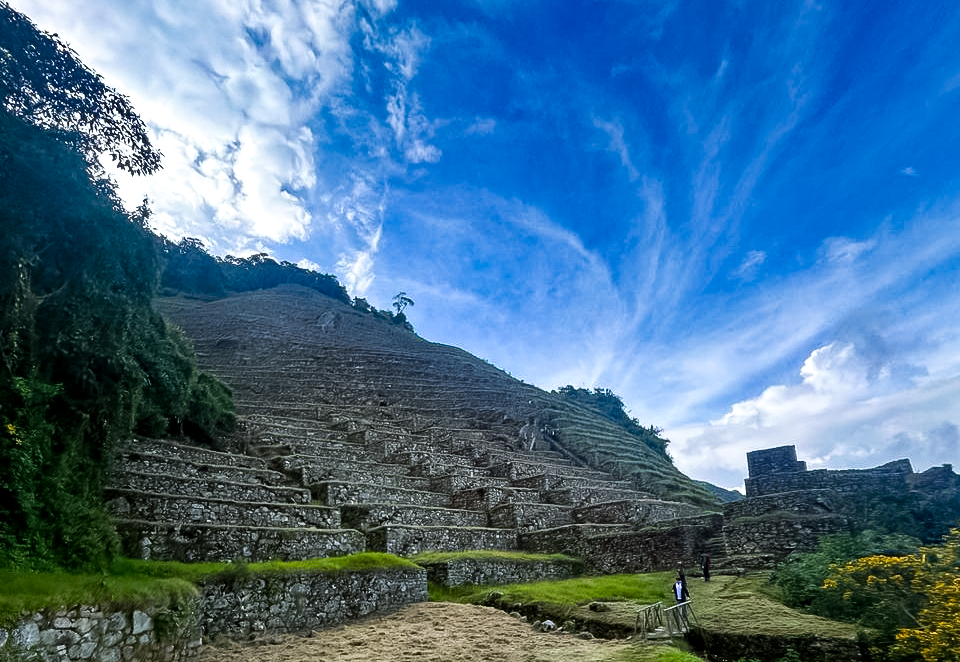
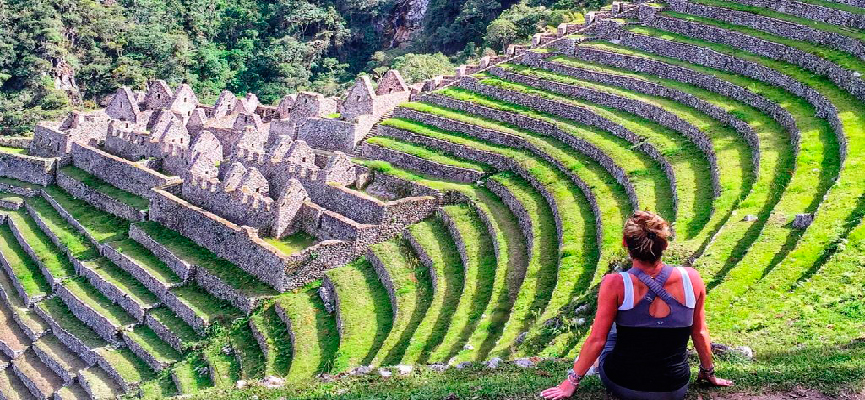
Wiñay Wayna
dubbed ‘Forever Young’, owes its name to the presence of a unique Pink Orchid flourishing in the vicinity. Like Intipata, this structure is perched upon a steep hillside, offering a strategic vantage point overlooking a critical access point along the Urubamba River.
Characterized by well-constructed edifices, including intricately carved stone buildings and an elaborate fountain and bathing system, Wiñay Wayna suggests it may have served as a final purification site before reaching Machu Picchu.
Adjacent to Wiñay Wayna lies a museum and garden showcasing the flora and fauna indigenous to this segment of the Inca Trail, boasting an impressive array of orchids rivaling collections found elsewhere in the world.
Inti Punku
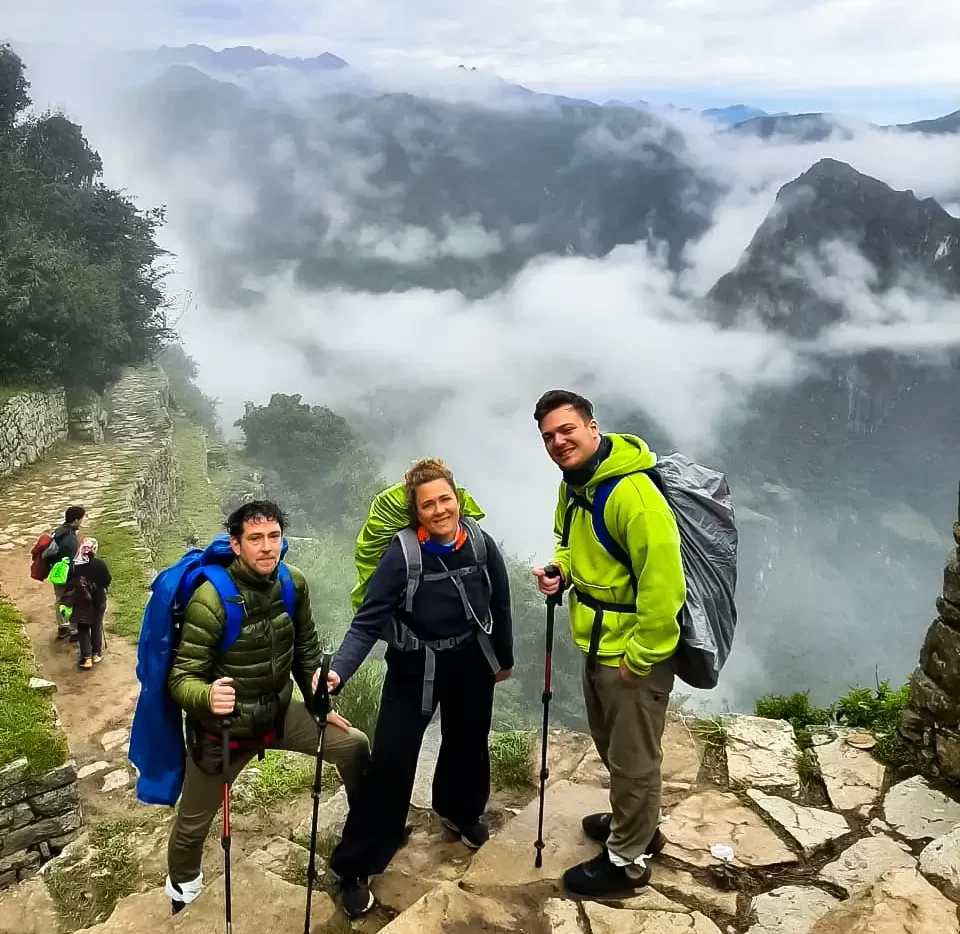
the Sun Gate at Machu Picchu, marks the culmination of the fourth and final day of the Inca Trail journey, commencing before daybreak. Providing breathtaking vistas of the enchanting city of Machu Picchu, reaching Inti Punku is an unforgettable experience.