Many travelers dream of hiking the Inca Trail, but few know that time, desire, and good physical condition aren’t enough. There’s a key detail that determines whether or not you hike this route, and it often goes unnoticed until it’s too late. It doesn’t appear on maps, you won’t find it at the entrance, and no last-minute plan will get you one.
In this blog, you’ll discover why Inca Trail permits are so important and what mistakes are preventing many travelers from completing the trek each year. If you’re planning your trip and want to avoid surprises, keep reading and clarify everything before making any reservations.
Why does the Inca Trail require permits?
The Inca Trail is a unique historical route leading to Machu Picchu, making its preservation essential. Permits are not a mere formality: they exist to protect the trail, control the number of visitors, and ensure that this heritage remains in good condition for future generations. Without these controls, heavy tourism, litter, and erosion could destroy the trail for future hikers.
Without these controls, overcrowding, litter, and natural wear and tear could ruin the trail for future generations. Furthermore, many people combine the Inca Trail hike with a tour to Machu Picchu , making it even more crucial to maintain order and safety.
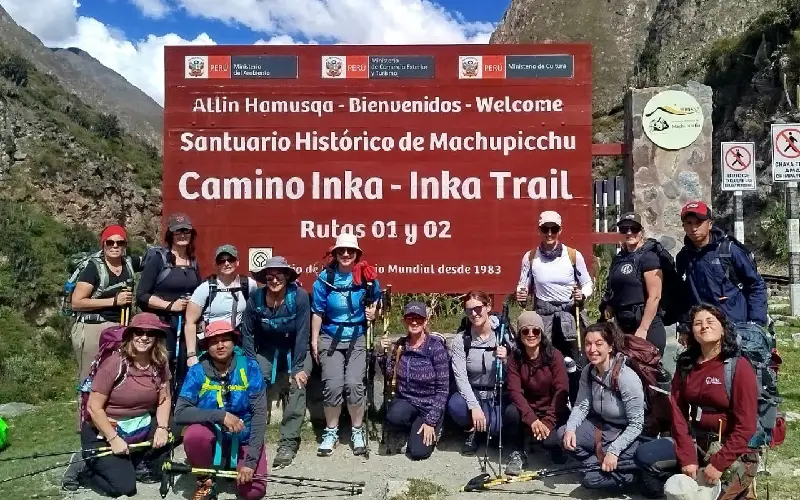
Therefore, obtaining a permit is mandatory . Without one, guards will turn you away at the entrance, and any illegal attempt will result in penalties. Furthermore, this system helps make the experience safer and more enjoyable by preventing overcrowding and protecting the landscapes and historical infrastructure.
Who issues permits for the Inca Trail?
The Ministry of Culture of Peru issues all permits, authorizes entry, and manages daily quotas. This agency enforces visitor limits, upholds conservation regulations, and keeps the route safe for everyone.
Simply put, the Ministry of Culture controls who can enter, when, and how many people can hike the trail each day. Thanks to this, travelers can enjoy an organized and protected Inca Trail, while preserving the history of this incredible route. Additionally, some agencies offer the option of complementing your trip with a tour to Humantay Lake , a popular excursion in the Cusco region.
Types of permits for the Inca Trail
Not everyone carries the same permit your role on the trail determines which one you need. Tourists need a special permit that allows them to hike the Inca Trail to Machu Picchu. Without this permit, you cannot enter the trail every visitor must have one.
In addition, there are specific permits for guides, porters, and support staff who accompany travelers. These permits allow authorized personnel to work legally on the route, providing safety and assistance to tourists. Every permit type matters they work together to keep the trek safe, organized, and respectful of its historic legacy. For those seeking other adventures, routes like the Salkantay Trek are available. trek or the Choquequirao Trekking is a highly recommended option that offers different experiences.
How Many People Can Hike the Inca Trail Each Day and Why Does That Number Matter?
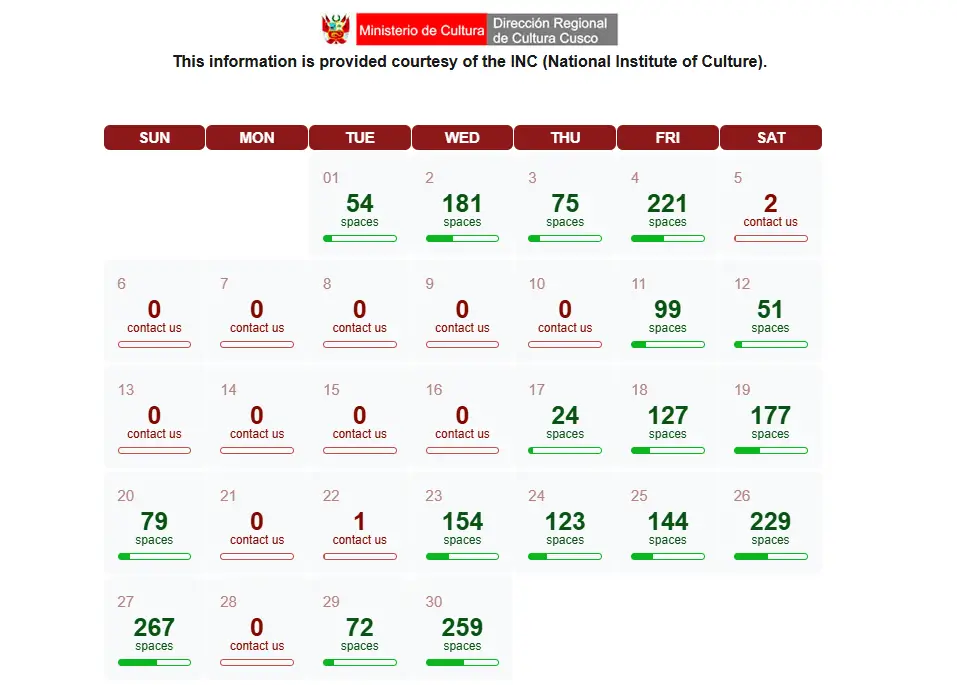
The Inca Trail to Machu Picchu has a strictly limited quota of only 500 permits per day, regulated by the Peruvian Ministry of Culture. This limit includes trekkers, guides, and porters, which means the actual number of tourist spots is approximately 200–250 permits per day.
These restrictions are in place to:
- Protect the ancient stone paths and archaeological sites
- Preserve the biodiversity of the Andean ecosystem
- Prevent overcrowding along the trail
- Guarantee a safe and high-quality trekking experience
The Classic Inca Trail 4 Days is one of the most popular trekking routes in South America, and because of the limited permits, spaces sell out months in advance especially during the high season (May to September).
👉 Check real-time Inca Trail permit availability here:
Inka Trail Permits
Booking early is essential if you want to secure your preferred travel dates and avoid missing out on this once-in-a-lifetime experience.
Additionally, many travelers combine the Inca Trail with a visit to Rainbow Mountain (Vinicunca), one of the most spectacular natural attractions near Cusco. Adding a Rainbow Mountain Tour is an excellent way to experience both ancient Inca heritage and the colorful landscapes of the Peruvian Andes.
Planning ahead ensures you enjoy the full Inca Trail experience without stress or last-minute complications.
How do you obtain permits for the Inca Trail?
You can’t buy an Inca Trail permit alone authorized agencies handle every booking. To obtain them, you must go through authorized agencies , which manage official permits and ensure that the entire process is legal and safe.
Once issued, the permit includes the right to hike the trail, access to the campsites, and entrance to Machu Picchu on the final day of the trek.It also makes sure everyone plays by the rules keeping your experience organized, safe, and seamless.
Documents required for the permit
For the permit to be valid, you need your passport and your exact personal details. It’s important that the information matches what you provided when booking, because any errors could prevent you from entering.
If you renewed your passport after making your booking, you must inform the agency so they can update your information. Otherwise, the permit will not be valid, and you could encounter problems when starting the trek. Paying attention to this detail is key to avoiding common mistakes and ensuring everything is in order before your adventure.
How Far in Advance Should You Book Your Inca Trail Permit?
It is very important to book Inca Trail permits well in advance, especially during peak season , which runs from May to September. During these months, permits sell out quickly due to the high number of tourists.
During the off-season , which runs from October to April, permits are usually easier to obtain, but it’s still recommended to plan ahead. Booking in advance ensures you can choose the dates that best suit you and avoids last-minute frustrations.
What happens if no permissions are available?
If you can’t find permits available for your dates, there are several practical alternatives. One option is to change your travel dates to get permits on another day. You can also consider alternative routes , such as the Salkantay Trek. Trek or Lares Trek , which offer similar experiences and access to Machu Picchu.
Another option is to adjust your travel plan , combining nearby activities while you wait for availability or exploring other tourist areas of Cusco. The important thing is to remain flexible and plan ahead so you don’t miss the opportunity to hike the Inca Trail.
Common mistakes when talking about permits for the Inca Trail
There are several common misconceptions about Inca Trail permits that need clarifying. One common mistake is thinking they can be purchased in Cusco ; in reality, they must be arranged in advance through authorized agencies.
Another common mistake is believing that permission is transferable . Each permit is personal and linked to the holder’s data, so it cannot be given to another person.
Finally, some assume that you can enter without a guide , but the law requires that all tourists be accompanied by an official guide during the trek. Knowing these details prevents problems and ensures a safe and legal experience on the Inca Trail.
Frequently Asked Questions about Inca Trail Permits
Permits for the Inca Trail: What You Need to Know Before Planning Your Trip
Before organizing your trip, it’s crucial to understand that permits are mandatory, personal, and must be obtained in advance. This prevents setbacks and ensures a safe experience.
Do you need a permit for the Inca Trail? Here’s what many don’t know:
Yes, it’s mandatory. Without a permit, entry is not allowed, and it cannot be purchased directly in Cusco. It must be obtained through authorized agencies.
Everything about Inca Trail permits explained clearly.
There are permits for tourists and permits for guides or porters. Each type fulfills a specific role and ensures that the route remains organized and protected.
Inca Trail: Permits, Quotas, and What Nobody Explains Properly.
The Inca Trail has a limited number of daily permits. This protects the route and prevents overcrowding. Permits sell out quickly, especially during peak season.
Before thinking about the Inca Trail, check this regarding permits.
Review your documents, especially your passport, and confirm that the information matches your booking. If you renewed your passport, inform the agency to avoid any problems.
Inca Trail Permits: A Clear Guide to Avoiding Common Mistakes.
Frequent errors include thinking permits are purchased in Cusco, assuming they are transferable, or believing you can enter without a guide. Knowing these details will help you avoid penalties.
How do Inca Trail permits work? A guide for travelers.
Permits are managed through authorized agencies, include access to the trail and Machu Picchu, and comply with safety and conservation regulations.
Inca Trail and permits: the essentials every traveler should know.
Each permit has an assigned date and quota. Failure to respect this may prevent your entry. Advance planning is key to ensuring your experience.
Inca Trail Permits Without Confusion: Useful Information for Your Trip.
Remember that permits are non-transferable and personal. Also, permits are limited and must be booked before your trip.
Why are Inca Trail permits so important?
They protect the historic route, control the number of visitors, and ensure a safe and organized experience, preserving the Inca Trail for everyone.