trekking route ; it’s a journey into the past, connecting centuries of Inca Trail history, culture, and mystery. Every stone and path holds secrets of the Inca civilization, from their construction techniques to the legends that still echo through the mountains. Can you imagine walking the same paths that messengers and warriors traveled more than 500 years ago?
In this blog, you’ll discover details that few tourists know: the oldest sections, the purpose of this network of trails, and how its legacy lives on today. Prepare to explore not only breathtaking landscapes but also fascinating stories that will make you see each path with fresh eyes. Keep reading and discover the true historical face of the Inca Trail.
Origins of the Inca Trail
The Inca Trail is one of the most iconic routes of the Inca civilization, which flourished in South America between the 13th and 16th centuries. This trail was not only a route of transit, but also a reflection of the organization, engineering, and strategic vision of the Incas.
The primary purpose of the Inca Road was to facilitate transportation, communication, and trade within the Inca Empire. Thanks to this network, messages, goods, and troops could move quickly between Cusco, the capital, and the various territories of the empire, maintaining the cohesion of the vast kingdom.
The construction of the Inca Trail is an impressive example of ancient engineering. Local materials such as stone, rammed earth, and wood were used, and techniques like retaining walls, suspension bridges, and terraces were employed to overcome rivers, cliffs, and mountains. Its design allowed the trail to withstand heavy rains and difficult terrain, ensuring its durability for centuries.
The road network of the Tahuantinsuyo
Inca Trail is part of the Qhapaq 500 . The Ñan , the great Inca road network that connected the entire Tahuantinsuyo, stretched for more than 40,000 kilometers across present-day Peru, Ecuador, Bolivia, Chile, Colombia, and Argentina. This vast network not only facilitated the transport of goods and people but also united regions with different cultures and ecosystems, strengthening the empire’s identity.
The Inca Trail did not exist in isolation; it connected with other secondary routes, allowing access to administrative centers, temples, markets, and fortresses. Its strategic planning had a dual purpose: to guarantee the defense of the territory and to ensure a constant flow of information and trade. Today, many choose to combine it with the Salkantay Trek. trek , another nearby trekking route that offers a different challenge and stunning scenery.
Most important sections of the Inca Trail
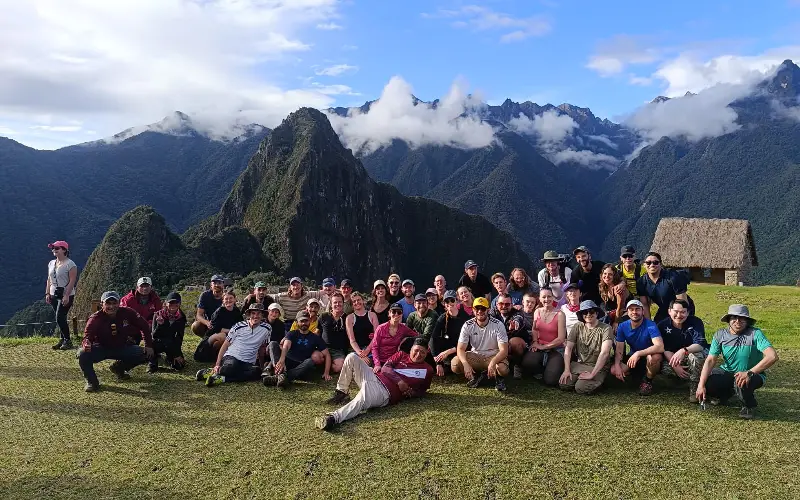
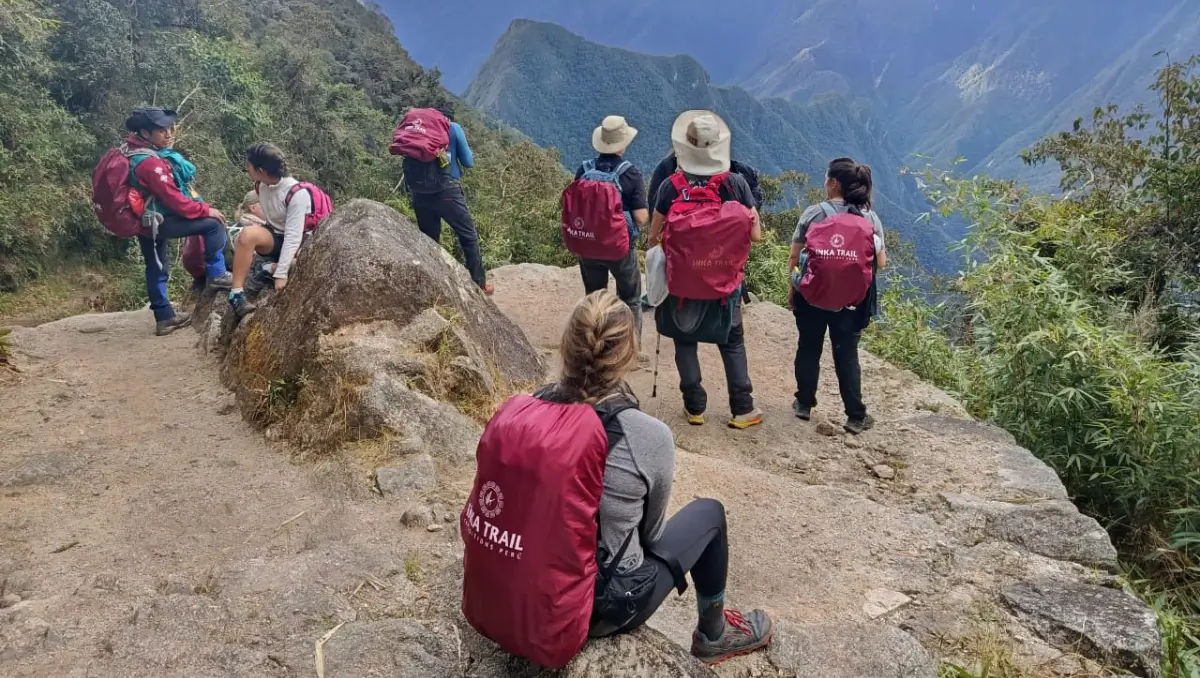
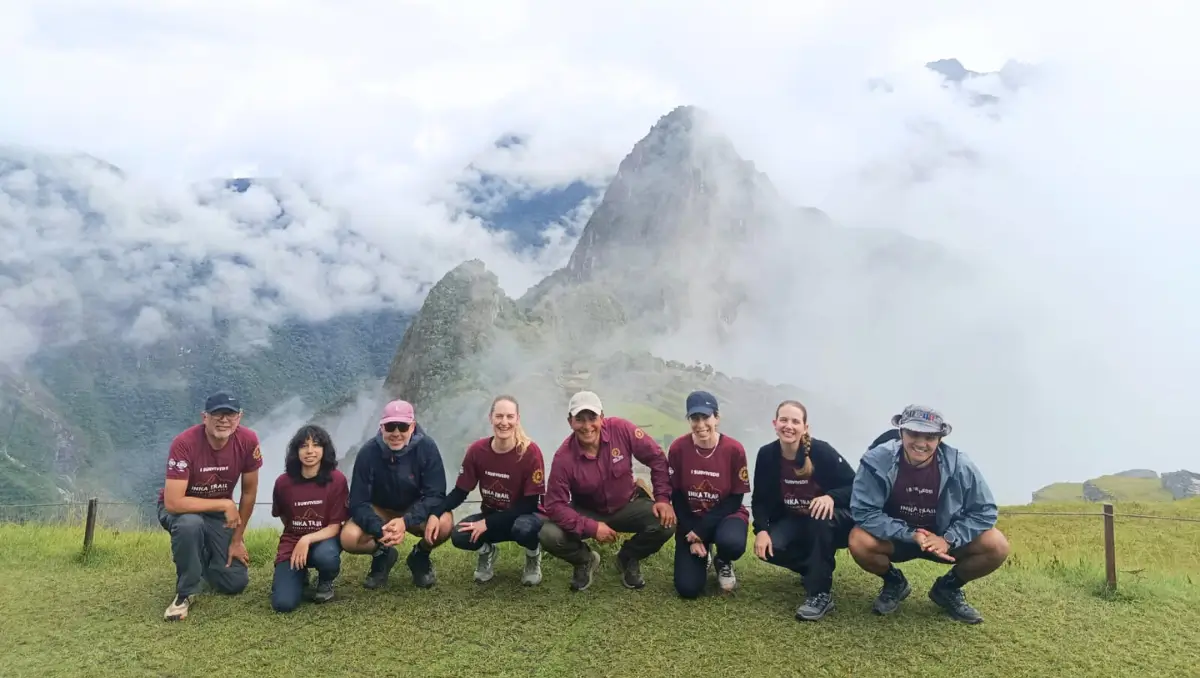
The Inca Trail is made up of several sections, each with its own history and attractions, with the classic 4-day route being the most popular with tourists. This trek allows you to walk along ancient Inca paths while visiting sites such as Llactapata and Wiñay. Wayna and Inti Punku , or the Sun Gate, offer a direct connection to Machu Picchu. Each point holds historical significance, having served as a resting place, lookout point, or administrative control point within the Inca Empire. If you plan to hike this route, you can combine it with a tour of Machu Picchu for the complete experience.
There are also shorter, alternative routes , ideal for those with less time or seeking a more relaxed experience. These less-traveled paths include routes to Choquequirao ( Choquequirao). trek ) or Huchuy Qosqo , which preserve less disturbed archaeological structures and allow you to enjoy the landscape more calmly.
The Inca Trail has a direct connection to Machu Picchu and other archaeological sites : many sections were designed to reach ceremonial and administrative centers. This demonstrates how the road network served not only for transportation but also as a spiritual and cultural link between different parts of the Inca Empire.
The Role of the Inca Road in Inca Society
The Inca Road played a central role in the lives of the Incas, facilitating trade and the transport of goods such as food, textiles, metals, and ceramics. The routes allowed products to move quickly between regions, strengthening the empire’s economy.
Furthermore, it served a military and territorial control purpose , allowing for the efficient movement of troops and messengers, thus ensuring the defense and surveillance of conquered territories. Travelers interested in nature might also consider a tour to the nearby and spectacular Humantay Lagoon.
The Inca Trail also served a ceremonial and religious purpose , being traversed during festivities, pilgrimages, and rituals dedicated to deities such as Inti, the sun god. Some sections led to sanctuaries or sacred sites, demonstrating the integration between road infrastructure and the spirituality of Inca society.
Discovery and modern study
Although the Inca Trail was used for centuries by the Incas, many sections of it were forgotten after the fall of the empire. Its rediscovery began with explorers and archaeologists in the 19th and 20th centuries, who documented the route and the archaeological sites it connected.
Excavations and preservation efforts have protected important sections of the road, restored structures, and ensured that both researchers and tourists can travel the route without damaging its heritage. This work has been fundamental in keeping the history of the Inca Empire alive. Today, tourists combine history and adventure, even opting for a tour to Rainbow Mountain as part of their trips near Cusco.
Today, the Inca Trail has a significant impact on modern tourism , attracting thousands of visitors each year who seek to combine adventure, nature, and history. Its historical importance remains undiminished, as it continues to be a testament to the engineering and organization of the Inca civilization.
Curiosities and historical secrets
The Inca Trail holds little-known stories that surprise even those who hike it. Some sections were used to send secret messages with quipus or smoke signals, and certain sites had specific functions for control or rest.
The amazing constructions , such as the suspension bridges made of natural fibers, paved roads over cliffs and agricultural terraces, show the skill and creativity of the Inca engineers in adapting to difficult terrain.
Furthermore, the trail is steeped in legends linked to the route , speaking of gods, protectors of the forest, and spirits of ancient travelers. For those seeking nature and biodiversity, tours in Manu National Park can also be arranged , connecting Inca history with Peru’s rich ecology. These stories have been passed down through generations, adding a mystical element that makes hiking the Inca Trail a truly unique cultural experience.
Frequently Asked Questions
Who built the Inca Trail and when?
The Inca Trail was built by the Inca civilization between the 13th and 16th centuries, under the direction of the rulers of Tahuantinsuyo, to connect the different regions of the empire.
What was the original purpose of the Inca Trail in Inca society?
Its main objective was to facilitate the transport of people, messages, and goods, as well as to maintain efficient communication between the different regions of the empire.
What was the importance of the Inca Road within the Tahuantinsuyo?
It was vital for the organization of the empire, as it allowed for the control of territories, strengthened the economy, and culturally united the diverse regions under a single system.
How did the Incas manage to build roads in such difficult terrain?
They used advanced engineering techniques, such as retaining walls, suspension bridges, terraces, and paved roads, adapting to mountains, rivers, and cliffs.
What is the relationship between the Inca Trail and Machu Picchu?
The trail connects directly to Machu Picchu, especially the classic 4-day route, and many of its sections were designed to access ceremonial and administrative centers of the empire.
What are the oldest or most historic sections of the Inca Trail?
Some of the oldest sections include trails near Cusco and areas close to Ollantaytambo and Wiñay. Wayna , which preserve original structures and evidence of their historical use.
What kind of trade and transport took place along the route?
Food, textiles, ceramics, and precious metals were transported, as well as messages and quipus, which allowed the empire’s economy and administration to function.
Was the Inca Trail used for ceremonial or religious purposes?
Yes, some sections led to sanctuaries and sacred sites, and were traveled during festivities, pilgrimages, and rituals dedicated to deities such as Inti, the sun god.
How was the Inca Trail discovered and studied in modern times?
Explorers and archaeologists rediscovered forgotten sections between the 19th and 20th centuries, carrying out excavations, documentation, and preservation to maintain its historical value.
Why is it important to preserve the Inca Trail today for tourism and history?
Preserving it allows new generations to learn about the engineering, culture, and history of the Incas, while also ensuring that tourists can enjoy the route responsibly without damaging the heritage.