

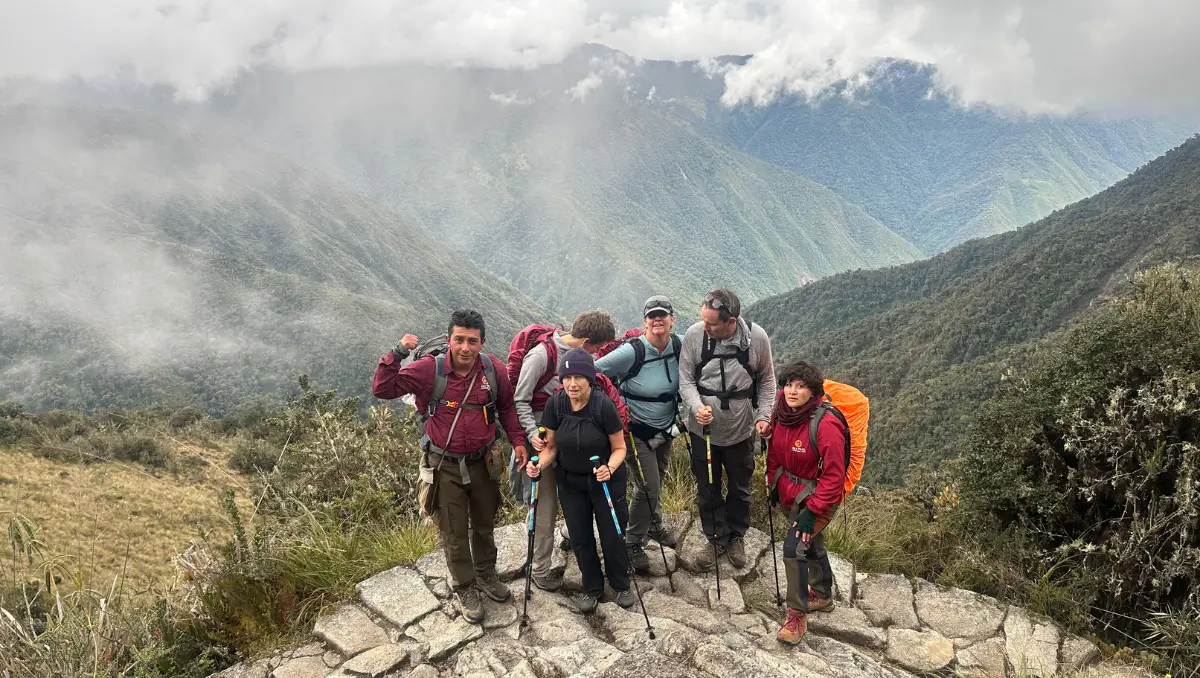
The Inca Trail doesn’t begin on the first day of hiking; it begins much earlier. Many travelers believe that simply arriving in Cusco and putting on their boots is enough, but the experience changes completely depending on your physical condition when you start the trail. Some move forward with confidence and energy; others discover, too late, that the effort is greater than they imagined.
The good news? You don’t need to be an athlete or spend hours at the gym. With proper physical preparation, the Inca Trail becomes easier, safer, and much more enjoyable. In this blog, we explain clearly and realistically how to prepare before your trip, what mistakes to avoid, and what you should keep in mind to hike confidently to Machu Picchu.
What level of fitness is needed to hike the Inca Trail?
One of the most common questions before booking the Inca Trail or just a Does a tour to Machu Picchu require a high level of fitness? The short answer is no. Most people who do it aren’t professional athletes or train daily. They’re ordinary travelers with average fitness levels and a desire to hike for several days in a row.
The most important thing is not extreme strength, but endurance . During the route, you walk for several hours a day, so it’s essential to be able to maintain a steady pace without tiring quickly. Having basic leg strength also helps , as there are sections with steps, long climbs, and descents that demand stability and control.
Another key point is adapting to the altitude . It’s not about running or competing, but about walking calmly, listening to your body, and respecting rest periods. People who walk frequently, hike occasionally, or are used to outdoor activities usually adapt well to the Inca Trail, even if they don’t train intensely.
What is the actual physical effort like during the Inca Trail?
The physical exertion of the Inca Trail is spread over several days and varies from day to day. On average, hikers walk between 5 and 7 hours daily , with frequent breaks to rest, hydrate, and enjoy the archaeological sites along the way.
The route features a combination of ascents, descents, and flat sections, similar to a tour to Humantay Lagoon . Some sections have stone steps that require more leg effort, while others are gentler and allow for a chance to recover. The pace is generally relaxed, and the group moves along steadily without needing to rush.
The most demanding day is the one that includes the Warmiwañusca Pass , the highest point on the Inca Trail. Here the climb is longer and more sustained, and the fatigue is felt more intensely, especially due to the altitude. However, this section is done with regular breaks and under the supervision of guides who control the group’s pace.
Although there are challenging moments, the effort is controlled and gradual . With basic preparation, a positive attitude, and walking at your own pace, the Inca Trail becomes an achievable challenge for most travelers.
How far in advance should I start preparing physically?
Preparing for the Inca Trail doesn’t require months of extreme training, but it is advisable to start with realistic advance notice . Ideally, you should begin 2 to 3 months before the trip , gradually increasing your time spent walking, strengthening your legs, and improving your endurance. This allows your body to get used to prolonged exertion and your muscles to gradually adapt to daily walking and the altitude.
If someone starts training less than a month in advance , completing the Inca Trail isn’t impossible, but it requires extra caution. In these cases, it’s crucial to walk daily , even for short periods, do strength training, and maintain a light routine to avoid injuries. It’s also advisable not to push yourself to the limit during the hike and to pay special attention to hydration, rest, and nutrition before and during the trek.
Recommended training for the Inca Trail
The overall approach to training for the Inca Trail is based on three pillars: consistency, progression, and adaptation . This means training regularly, gradually increasing intensity or duration, and accustoming the body to different types of exertion, such as those found on the Choquequirao route. trek .
Cardiovascular training
The heart and lungs also need to prepare for walking several hours a day and adapt to the altitude. For this, the following is recommended:
- Walk daily, gradually increasing the distance and time.
- Climb stairs or slopes to simulate the uphill sections of the path.
- Jog gently a few times a week, taking care not to overload the joints.
This type of training helps improve overall endurance, reduces fatigue, and makes the most demanding sections of the Inca Trail feel more manageable.
Strengthening of legs and core
core strength is key for maintaining balance and navigating ascents and descents. The following is recommended:
- Squats and lunges to strengthen thighs and glutes.
- Knee and ankle exercises to prevent injuries.
- Back and abdominal work with planks or core exercises to improve stability and posture during walking.
With a combined endurance and strength training program , even hikers with no prior experience can tackle the Inca Trail with greater safety and comfort.
Physical preparation if you live at sea level
Many travelers planning to hike the Inca Trail live at sea level , meaning their bodies aren’t accustomed to the altitude of Cusco and its surroundings. In these cases, physical preparation is even more important to improve endurance and stamina .
While it doesn’t replace acclimatization, training before your trip helps your body better handle long hikes and climbs, such as those on a Rainbow Mountain tour . It is recommended:
- Long, progressive walks , increasing time and distance each week.
- Climbing stairs or steep slopes , simulating the inclines of the Inca Trail.
- Cardiovascular exercises such as gentle jogging or cycling, to strengthen lungs and heart.
- Strength training for legs and core , to maintain stability and balance during descents and ascents.
The goal is to arrive in Cusco in good physical condition , so that fatigue feels less intense and the experience can be enjoyed more fully.
Acclimatization and its relationship to physical preparation
Arriving in Cusco a few days early is essential, even if you’re well-trained. Acclimatization allows your body to adjust to the lower oxygen levels and lessens the effects of altitude sickness. Combining good physical preparation with acclimatization helps make the first few days of the Inca Trail much more manageable.
Good physical fitness reduces the impact of exertion : those who train properly feel less exhausted while walking, climb hills more easily, and recover energy faster. However, it’s important to remember that no amount of training completely eliminates altitude sickness ; it’s always necessary to walk at your own pace, stay hydrated, and listen to your body.
Common mistakes when preparing for the Inca Trail
Preparing for the Inca Trail requires planning and common sense. Some common mistakes travelers make are:
- Not training at all: Believing that walking can be done without preparation generates extreme fatigue and a greater risk of injury.
- Overtraining at the last minute: Training intensely days before the trip can cause fatigue or muscle injuries.
- Trying on new footwear on the trail: Wearing boots or shoes without trying them on first causes blisters and discomfort.
- Neglecting rest: Sleeping too little or not respecting recovery days reduces energy and increases the risk of discomfort.
Avoiding these mistakes helps make the experience safer and more enjoyable.
Is it dangerous to hike the Inca Trail without physical preparation?
The Inca Trail isn’t an extreme trek , but a lack of physical preparation can make it a difficult experience. Walking for several hours a day with ascents and descents, especially at high altitude, can lead to exhaustion, muscle or joint injuries , and affect your ability to enjoy the scenery and archaeological sites.
Being in good physical shape reduces fatigue and risks , but even well-prepared hikers should respect their own pace. Walking calmly, staying hydrated, eating well, and listening to your body are essential measures to prevent the hike from becoming dangerous or frustrating.
Physical tips for the days leading up to the Inca Trail
The last few days before the hike are key to arriving with energy. Some practical tips are:
- Reduce training intensity: Avoid intense exercise and long walks just before the trip.
- Get plenty of rest: Sleeping enough helps to recover muscles and energy.
- Stay hydrated: Water prepares the body for altitude and exertion.
- Eat light and nutritious: Prioritize foods that are easy to digest and high in energy.
- Don’t arrive exhausted: Plan your trip so that long transfers or prior activities don’t leave your body fatigued.
By following these recommendations, you will arrive on the first day of the Inca Trail refreshed, prepared and ready to also enjoy other tours in Manu .
Frequently asked questions about physical preparation for the Inca Trail
What if I can’t keep up with the group during the Inca Trail?
It’s not a big deal. The guides adjust the pace, and it’s normal to walk at your own speed. The important thing is to maintain a steady pace and not push yourself too hard.
Is it normal to feel muscle soreness from the first day of hiking?
Yes, especially if you’re not used to long walks or uphill climbs. It’s usually mild muscle soreness that improves with movement and adequate rest.
Is it better to train every day or to have rest days?
It’s best to alternate training days with rest days. The body needs to recover to strengthen muscles and improve endurance.
Does walking in the city really help prepare for the Inca Trail?
Yes, walking in the city helps improve endurance. For greater effectiveness, combine it with climbing stairs or hills that simulate inclines.
Does using trekking poles reduce physical fatigue?
Yes, poles help distribute the effort, especially on ascents and descents, reducing strain on the legs and knees.
Is it advisable to do stretching exercises while walking?
Yes, gentle stretching during breaks helps reduce muscle tension and prevents injuries. There’s no need to stretch intensely while walking.
Can a lack of physical fitness cause injuries on the Inca Trail?
Yes, hiking without preparation increases the risk of sprains, knee pain, or back pain. Proper preparation reduces these risks.
What body signals indicate that I should slow down during the route?
Shortness of breath, dizziness, excessive pain, or intense fatigue are signs that you should reduce your speed, hydrate, and rest.
Does the weight of your backpack significantly affect physical exertion?
Yes, an excessively heavy backpack increases fatigue and the risk of injury. Ideally, you should only carry what you need and distribute the weight evenly.
Can I prepare physically if I have little time before the trip?
Yes, although with less time, training for even a few weeks improves endurance and strength. It’s important to walk, climb stairs, and do leg and core exercises , but adjust the intensity to avoid overexertion.