

Have you ever wondered how your body will react to climbing to over 4,000 meters on the Inca Trail? Many travelers dream of reaching Machu Picchu, but few prepare for what the altitude can actually make them feel. In this blog, we’ll tell you what you need to know to recognize the symptoms, prevent problems, and enjoy your adventure without unpleasant surprises.
Before you lace up your boots and start your trek , it’s worth knowing how altitude can affect your energy, breathing, and even your mood. We invite you to discover practical tips, real traveler stories, and everything you need to know to ensure altitude sickness doesn’t ruin your Inca Trail experience. Keep reading and prepare for your adventure safely!
What is altitude sickness?
Altitude sickness, also known as soroche, is a condition that occurs when the body doesn’t adapt quickly to the low oxygen levels at high altitudes. As we ascend, atmospheric pressure decreases, meaning our bodies receive less oxygen with each breath. This can cause discomfort ranging from mild to severe, depending on the individual and the altitude reached.
Altitude sickness is classified into three main levels:
- Mild: Mild symptoms such as headache, fatigue, and loss of appetite. It generally does not prevent continued physical activity, but it is a sign that the body needs to adapt.
- Moderate: More intense headache, nausea, dizziness, difficulty sleeping, and shortness of breath even at rest. Rest and avoiding excessive physical exertion are recommended.
- Severe: Serious symptoms such as persistent vomiting, confusion, marked respiratory distress, and fluid accumulation in the lungs or brain (high-altitude pulmonary or cerebral edema). Requires immediate medical attention and descent to a lower altitude.
The most common symptoms include headache, nausea, shortness of breath, insomnia, fatigue, and dizziness. Everyone reacts differently, so it’s important to pay attention to your body’s signals.
Why does this happen on the Inca Trail?
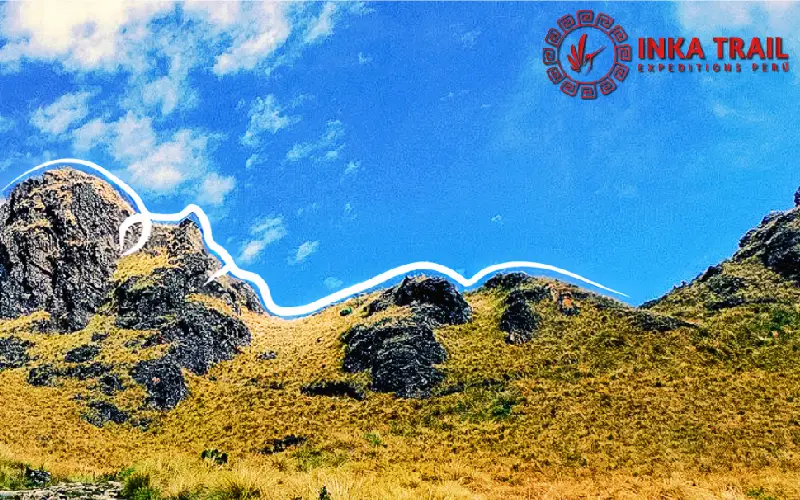
The Inca Trail reaches its highest point at Warmiwañusca Pass , at 4,215 meters above sea level , and also includes a visit to the citadel of Machu Picchu . For those unaccustomed to these altitudes, the body needs time to adapt to the lower oxygen levels, and it is common to experience altitude sickness symptoms during the trek.
During the trek , there are considerable daily changes in altitude. For example, when ascending the mountain and then descending to lower valleys, the body must constantly adjust to these variations. The duration of the Inca Trail, which is generally four days, means that these changes must be managed gradually and with caution.
Staying well hydrated and taking frequent breaks is important, especially if you also plan activities like the Humantay Lagoon Tour and climbing , which involve high-altitude hikes.
Symptoms to recognize
Recognizing early and serious symptoms is essential, especially if you’re planning intense treks like Choquequirao. trek , where the risk of altitude sickness may be higher.
| Early symptoms | Severe symptoms |
| Mild headache | Intense headache that does not subside |
| Mild nausea or vomiting | Persistent vomiting |
| Fatigue or weakness | Severe dizziness and disorientation |
| Lack of appetite | Marked respiratory difficulty even at rest |
| Insomnia | Confusion, loss of coordination |
| Mild dizziness | Swelling of hands, feet or face (edema) |
When to stop and seek help:
- If mild symptoms worsen or do not improve with rest and fluids.
- If severe symptoms appear, such as difficulty breathing, confusion, or persistent vomiting, you should descend to a lower altitude immediately and seek medical assistance .
Paying attention to these signs can make the difference between continuing the hike safely or facing serious risk.
Prevention and advice
Taking precautions before and during the Inca Trail helps reduce the risk of altitude sickness:
- Gradually ascend: Spending at least 1 or 2 days in Cusco (3,400 m) before starting the trek allows the body to begin to adapt, especially if you will then be doing excursions such as the Rainbow Mountain Tour .
- Constant hydration: Drinking water regularly helps keep the body functioning properly.
- Light diet: Avoid heavy meals that hinder digestion and increase fatigue.
- Avoid alcohol and tobacco: These substances worsen dehydration and reduce the oxygen capacity in the blood.
- Preventative medications: Some travelers use acetazolamide ( Diamox ) to prevent symptoms, but always under medical supervision .
With these simple precautions, your experience on the Inca Trail will be much safer and more enjoyable, reducing discomfort and allowing you to fully enjoy the journey.
What to do if it affects you during the Inca Trail?
If you start experiencing altitude sickness symptoms during the Inca Trail, the most important thing is not to ignore them and to act promptly . Here are some recommended actions:
- Rest and don’t push your body: Take frequent breaks, sit down, and recharge. Avoid continuing at a strenuous pace if you feel dizzy, have a headache, or experience excessive fatigue.
- Breathing techniques: Breathing deeply and slowly helps increase oxygenation and relieve shortness of breath. Inhale through your nose and exhale slowly through your mouth.
- Use of portable oxygen: In case of significant breathing difficulties, guides usually carry portable oxygen which can temporarily relieve symptoms.
- When to descend and seek medical assistance: If symptoms worsen, such as persistent vomiting, confusion, severe dizziness, or marked shortness of breath, it is crucial to descend to a lower altitude immediately and seek professional help. Do not attempt to continue hiking under these conditions.
Acting quickly and cautiously makes trekking safe and reduces the risk of serious complications. It’s always better to stop and take care of yourself than to risk your health at altitude.
Frequently Asked Questions (FAQ)
Is it dangerous to do the Inca Trail if I’ve never been to high altitude?
Not necessarily. Most travelers can complete the trek without serious problems if they take precautions, such as acclimatizing in Cusco and maintaining a steady pace. However, some people are more sensitive and should be alert to any symptoms.
How long does altitude sickness usually last?
Mild symptoms typically disappear within 1 or 2 days as the body acclimatizes. In moderate cases, it can last several days and improves with rest and good hydration.
Can children or elderly people hike the Inca Trail without altitude sickness?
Yes, provided they follow acclimatization and safety recommendations. However, children and the elderly may be more sensitive, so constant supervision is recommended, and they should not push their pace.
Can altitude sickness affect my appetite or sleep?
Yes, it’s common to lose your appetite and have trouble sleeping, especially during the first few days at altitude. Eating light meals and taking frequent breaks can help improve these symptoms.
Are there any foods or drinks that help prevent altitude sickness?
It is recommended to eat light, carbohydrate-rich foods and stay well hydrated. Some people chew coca leaves or drink coca tea, a local tradition that may relieve mild symptoms.
Does altitude sickness disappear when descending, or can it persist?
Generally, the symptoms disappear upon descending to a lower altitude. However, if serious complications such as pulmonary or cerebral edema occur, immediate medical attention is required.
Can I continue walking even if I have mild altitude sickness symptoms?
Yes, but with caution. It is recommended to walk slowly, rest frequently, and stay hydrated. If symptoms worsen, it is best to stop and assess the situation.
How common is it for travelers to experience altitude sickness on the Inca Trail?
It’s quite common. The trek ‘s altitude (up to 4,215 m) can affect anyone who isn’t acclimatized, although the intensity varies from person to person.
Does altitude sickness affect physical performance or trekking speed ?
Yes, the body works with less oxygen, so it’s normal to walk more slowly and feel tired more easily. Maintaining a steady pace is key.
Are there ways to train before the trip to reduce the effects of altitude sickness?
Yes, improving cardiovascular endurance through long walks, breathing exercises, and regular physical activity helps, although it doesn’t replace actual altitude acclimatization.